



Commercial Garage Equipment, Garage Advice, Garage Equipment, Nitrogen Tyre Inflation, Tyre Bay Direct, Tyre Stuff
Nitrogen Inflation & Compressed Air Systems for Commercial Tyre Bays
A reliable compressed air and nitrogen delivery network is the beating heart of any modern commercial tyre bay. From high-torque impact wrenches and bead-seating blasters to precision nitrogen inflation systems, pneumatics drive every stage of tyre servicing.
For fast-fit workshops, commercial fleet centers, and motorsport service teams, upgrading from standard shop air to high-purity nitrogen inflation delivers proven operational advantages. Nitrogen dramatically reduces pressure loss, mitigates internal rim corrosion, improves fuel efficiency, and extends overall tread life. This comprehensive guide details the operational mechanics, system selection criteria, compressed air setup, and proven business benefits of integrating nitrogen inflation and compressed air technology into your commercial garage operations.
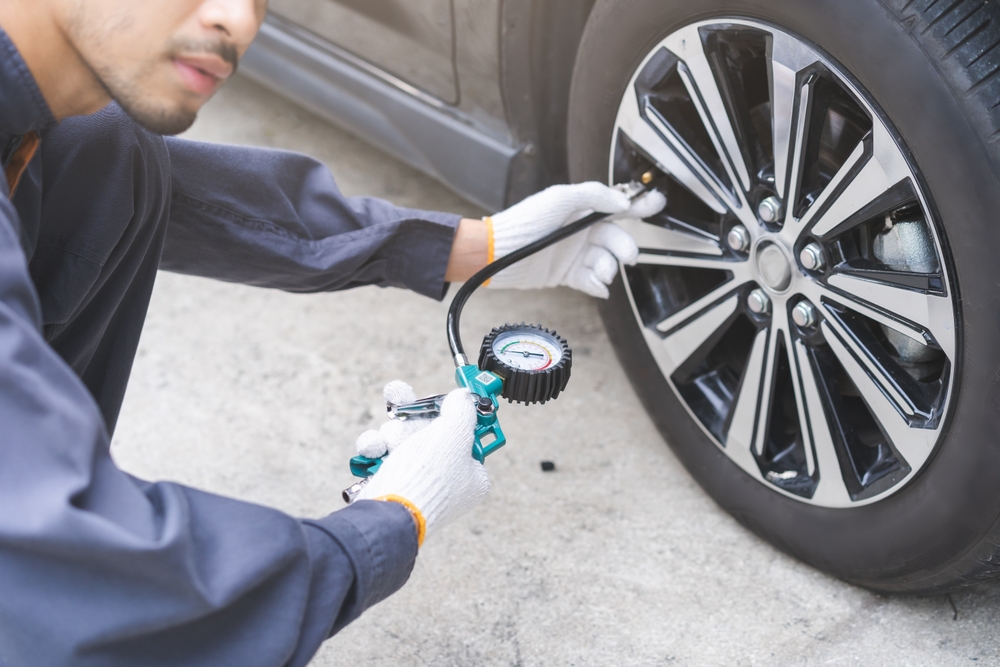
1. Why Nitrogen Tyre Inflation? The Chemical & Physical Advantages
While ambient air is composed of roughly 78% nitrogen, 21% oxygen, and trace amounts of water vapor and noble gases, inflating commercial or passenger tyres with high-purity nitrogen (typically 95%–99%) offers significant performance benefits over standard compressed air.
Superior Pressure Retention (Reduced Permeation Rate)
Oxygen molecules are smaller and move more rapidly than nitrogen molecules, allowing ambient air to slowly seep through the microscopic pores of rubber sidewalls over time.
- Stable Inflation Pressures: Nitrogen molecules are roughly 3–4% larger than oxygen molecules and diffuse through rubber butyl linings up to 30% to 40% slower.
- Fewer Pressure Drops: Tyres inflated with high-purity nitrogen retain optimum cold inflation pressures up to 3–4 times longer than air-filled tyres, directly reducing under-inflation issues across passenger vehicles and commercial fleets.
Elimination of Internal Rim & Belt Corrosion
Standard air compressors condense atmospheric humidity into liquid water inside storage receiver tanks. When fed into a tyre, this moisture accelerates internal wheel degradation.
- Preventing Oxidation: Oxygen and liquid water cause steel belt oxidation, rubber degradation, and alloy/steel rim flange corrosion over time. Corrosion on rim beads creates slow air leaks along the sealing edge.
- Dry Gas Solution: Professional nitrogen generators utilize high-efficiency filtration and drying stages, producing a bone-dry gas mixture with virtually zero moisture content. This preserves internal tyre linings and extends wheel casing longevity.
Thermal Stability and Consistent Running Temperatures
When water vapor inside a standard air-filled tyre heats up during high-speed driving or heavy fleet haulage, the liquid moisture vaporizes and expands exponentially.
- Predictable Pressure Rises: Dry nitrogen exhibits a predictable, linear pressure change when exposed to temperature spikes according to Gay-Lussac’s Law.
- Safer Commercial Running: By eliminating moisture-induced pressure spikes, nitrogen keeps running temperatures lower, reducing the risk of heat-induced tread separation or catastrophic high-speed blowouts on heavy commercial vehicles.
| Feature / Benefit | Standard Compressed Air | Dry Nitrogen Inflation (95%+ Purity) |
|---|---|---|
| Gas Permeation Rate | High (Oxygen diffuses rapidly through rubber) | Minimal (Larger nitrogen molecules stay trapped) |
| Internal Moisture Content | High (Requires external air dryers/traps) | Virtually Zero (Bone-dry gas stream) |
| Wheel Rim Corrosion | High risk over long service intervals | Negligible (No oxygen or water for rust) |
| Pressure Stability Under Heat | Variable (Water vapor expands non-linearly) | Excellent (Linear expansion curve) |
| Primary Fleet Impact | Frequent top-ups, uneven tread wear | Optimal fuel economy, extended casing life |
2. Uniflate Nitrogen Systems: Proven Commercial Success
When major tyre manufacturers and national retail chains look to roll out high-purity nitrogen service packages across their networks, Uniflate Nitrogen Systems lead the market in reliability, speed, and return on investment.
Industry Validation: From Motorsport to Major Tyre Chains
Uniflate systems have consistently set the benchmark across the UK garage equipment market:
- Pirelli Partnership: Pirelli selected Uniflate nitrogen equipment to support high-performance fitments, recognizing that precise pressure management is crucial for ultra-high-performance (UHP) road tyres and motorsport applications.
- National Chain Adoption: Major fast-fit operations—including national rollouts across every branch of Mr. Tyre and extensive fleet upgrades at Merityre—integrated Uniflate nitrogen generators to transform routine inflation into a high-margin, customer-retention service.
Why Uniflate Leads the Market
- Membrane & CMS Efficiency: Uniflate generators utilize advanced Pressure Swing Adsorption (PSA) or high-flow membrane technology to strip away oxygen and water vapor without demanding excessive supply air pressure.
- Multi-Tyre Purity Purging: Purpose-built Uniflate inflation carts allow technicians to purge ambient air and inflate up to four passenger or commercial tyres simultaneously, achieving target nitrogen purity levels (>95%) in automated cycles.
- Turnkey Workshop Integration: Designed for simple plug-and-play hookup to existing shop air supplies, enabling fast-fit bays to monetize nitrogen inflation from day one.
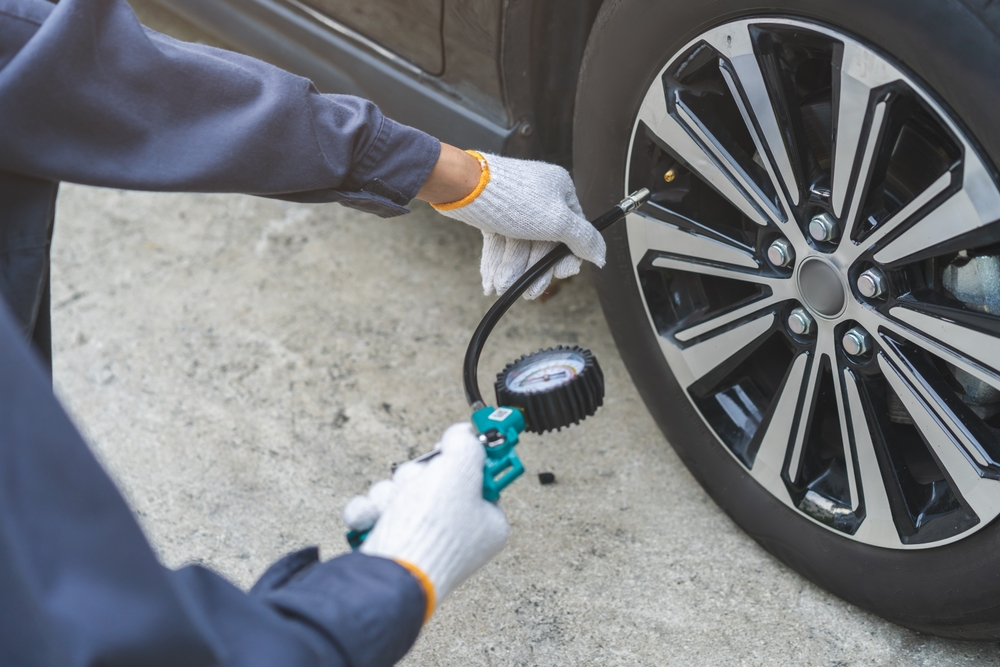
3. Compressed Air Systems & Vertical Compressors
A nitrogen generator is only as reliable as the air compressor feeding it. Maintaining proper pressure, volume (CFM), and air purity requires choosing the right compressor configuration for your workshop layout.
Piston vs. Rotary Screw Air Compressors
Reciprocating Piston Compressors
Piston units use crankshaft-driven pistons to compress air into an onboard receiver tank.
- Best For: Intermittent duty cycles, smaller tyre shops, mobile service vans, and low-to-medium air demands.
- Considerations: Piston compressors operate at higher internal temperatures and generate more noise and air moisture condensation.
Rotary Screw Compressors
Rotary screw units utilize continuous intermeshing helical rotors to compress air continuously without thermal rests.
- Best For: Busy commercial tyre centers operating multiple impact guns, bead seating tanks, and continuous nitrogen generation equipment.
- Considerations: Higher initial purchase cost, but exceptionally quiet, highly energy-efficient, and capable of 100% continuous duty cycles.
Compact Workshop Solutions: Vertical Compressors
In tight tyre bays where floor space commands a premium, vertical receiver air compressors offer high storage capacity without sacrificing valuable work area.
- Footprint Optimization: Units like the SIP VN4/150-SB Vertical Compressor (4HP, 150-liter vertical receiver tank) mount the pump motor directly above a vertical air vessel.
- Space Savings: This arrangement reclaims up to 60% of the floor space required by a traditional horizontal tank, making it easy to tuck high-capacity air storage into tight corners or between vehicle lift posts.
- High Output: Delivering upwards of 13–18 CFM displacement, vertical units easily supply enough air volume to run heavy-duty commercial impact wrenches, tyre changers, and nitrogen generator systems side by side. Explore our complete range of garage air compressors to match your bay’s demand.
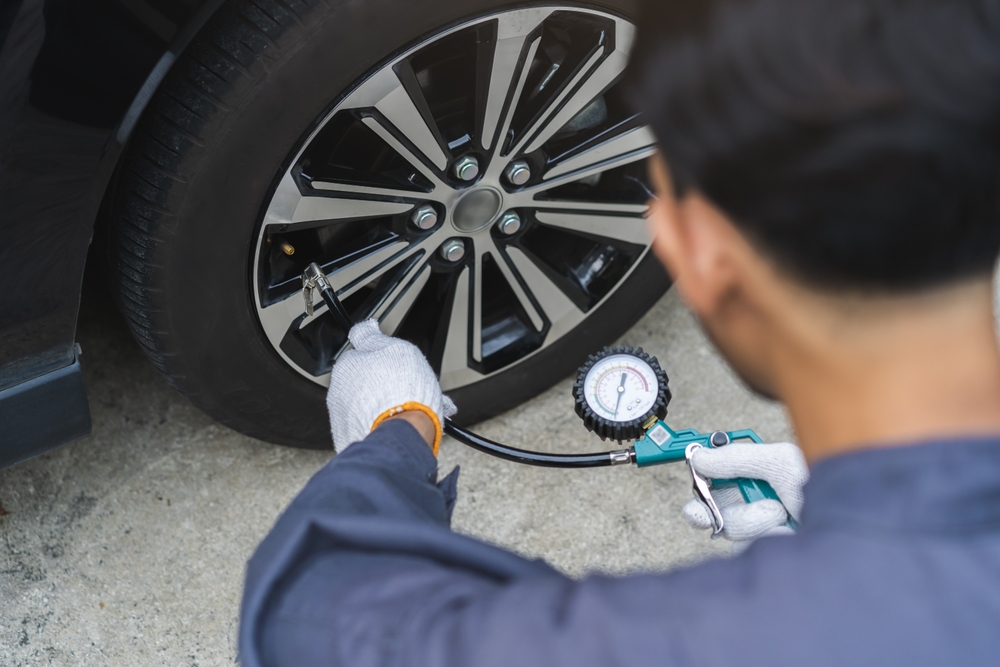
4. Air Preparation, Piping & Maintenance Protocols
To protect nitrogen membrane units, pneumatic tyre changers, and air tools from premature failure, air distribution systems must be properly filtered and maintained.
Air Treatment Chain (Filtration & Drying)
Raw air leaving a compressor pump contains water condensation, atomized compressor oil, and ambient dust. Passing untreated air into a nitrogen generator will poison the carbon molecular sieve or membrane module.
| Filtration Process Multi-Stage Air Preparation Chain |
| Stage 01 Water Separators Drops out large liquid condensation droplets downstream from receiver tank. |
➔ | Stage 02 Coalescing Filters Fine 0.01-micron filters trap micro-oil aerosols and fine particles. |
➔ | Stage 03 Refrigerated Dryers Chills air stream to 3°C to drain condensate before entering ring main. |
- Water Separators & Moisture Traps: Installed directly downstream from the receiver tank to drop out large liquid condensation droplets.
- Coalescing Oil Removal Filters: Fine 0.01-micron filters designed to trap micro-oil aerosols pushed past piston rings or rotary screws.
- Refrigerated Air Dryers: Chill the incoming compressed air stream to drop its dew point to around 3°C, draining liquid condensate before air enters the workshop ring main.
Daily and Weekly Maintenance Schedule
Daily Maintenance
- Open manual drain valves on the bottom of air receiver tanks and inline filter bowls to purge accumulated water and oil sludge.
- Check automatic electronic drain valves for proper function.
Weekly Maintenance
- Inspect pump oil sight glasses, topping up with non-detergent ISO 68/100 compressor oil as needed.
- Check drive belt tension and wear to prevent drive slippage.
Periodic Maintenance
- Replace inline coalescing and particulate filter cartridges every 6 to 12 months to maintain maximum CFM airflow and prevent pressure drops across nitrogen generator feeds.
Maximize Workshop Efficiency with Advanced Pneumatics
Upgrading your workshop’s compressed air infrastructure and integrating high-purity nitrogen inflation offers immediate returns on investment. By reducing customer inflation maintenance, protecting wheel rims from internal corrosion, and creating a premium service revenue stream, nitrogen systems like Uniflate elevate fast-fit bays above standard competition.
Explore Our Complete Nitrogen & Air Range
- Shop Equipment & Upgrades:
Explore our full range of nitrogen tyre inflation units, check out high-capacity garage air compressors, and stock up on essential automotive workshop tools. - Get Expert Technical Support:
Not sure what CFM output or nitrogen generation capacity your bay requires? Browse our garage advice blog for technical insights, contact Tyre Bay Direct online, or request a custom equipment quote today.