



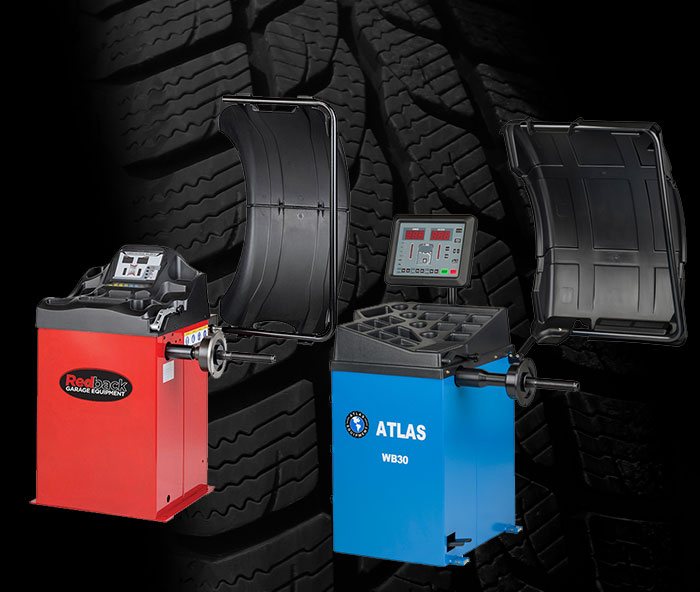
Belt Compressors
Brand new to our range of Air Compressors this year, our wide array of Belt Compressors have been provided by Airmate to bring a new dimension for your garage services.
Call our team now on 01527 883 580 to find the perfect Belt compressor for your tyre-fitting operation.
Brand New SIP Belt Compressor range
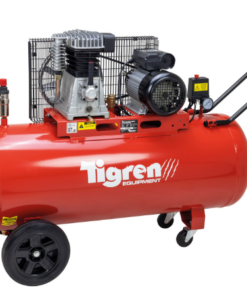
Garage Air Compressor
£587.99 incl VAT£489.99 excl VAT
In Stock
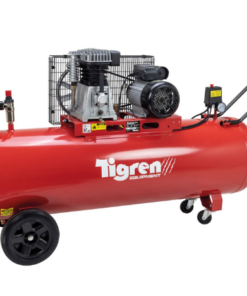
Garage Air Compressor
£683.99 incl VAT£569.99 excl VAT
In Stock
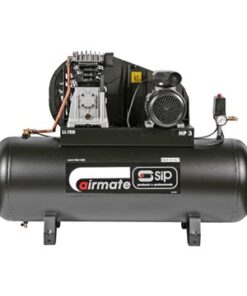
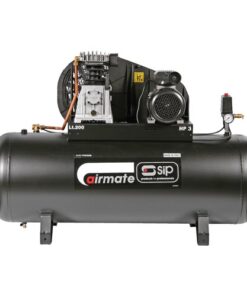
Belt Compressors
£887.99 incl VAT£739.99 excl VAT
In Stock
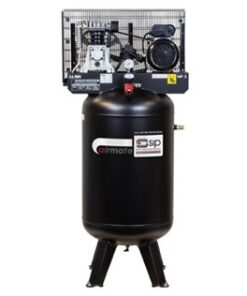
![SIP TN5.5/200 Air Compressor [SIP 06583]](https://www.tyrebaydirect.com/wp-content/uploads/719_360_360-247x296.jpg)
Belt Compressors
£1,559.99 incl VAT£1,299.99 excl VAT
In Stock
![VN5.5/150-TB Vertical Compressor [SIP O6335]](https://www.tyrebaydirect.com/wp-content/uploads/2588_360_360-247x296.jpg)
Out of stock
Belt Compressors
£1,679.99 incl VAT£1,399.99 excl VAT
Out of Stock
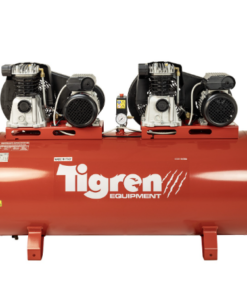
Garage Air Compressor
£1,679.99 incl VAT£1,399.99 excl VAT
In Stock
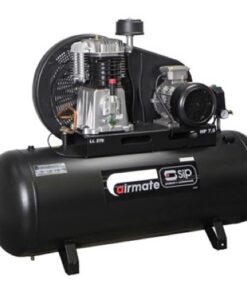
Belt Compressors
£1,978.80 incl VAT£1,649.00 excl VAT
In Stock
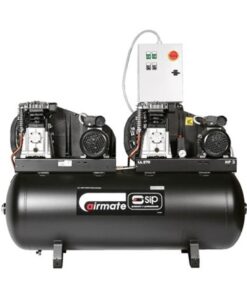
Belt Compressors
£2,940.00 incl VAT£2,450.00 excl VAT
In Stock
![TN10/270 Air Compressor [SIP 06587]](https://www.tyrebaydirect.com/wp-content/uploads/721_600_500-247x296.jpg)
Belt Compressors Explored
Compressed air serves as the vital lifeblood of every modern commercial tyre bay, MOT station, and automotive repair workshop.
From powering pneumatic impact wrenches and bead-seating tools to supplying constant line pressure for automated tyre changers, high-performance air delivery is essential.
Belt-driven compressors remain the industry standard for workshops demanding dependable duty cycles, exceptional thermal efficiency, and manageable operating noise.
You can discover robust, trade-ready systems tailored to demanding daily workloads in our comprehensive collection of belt compressors.
Selecting the right compressor configuration ensures your pneumatic equipment operates at peak torque whilst protecting sensitive internal components from pressure drop.
Why do belt-driven systems run significantly cooler than direct-drive units
Thermal management is the most critical factor determining the operating lifespan and efficiency of any reciprocating piston compressor.
Direct-drive units connect the motor shaft directly to the pump crankshaft, forcing the pump to rotate at high speeds of up to 2,800 RPM.
This rapid piston cycling generates immense friction and excessive thermal buildup within the cylinder heads.
In contrast, a belt-driven compressor utilises a pulley reduction system between the electric motor and the pump flywheel.
This mechanical reduction allows the heavy-duty pump to cycle at a much lower, more relaxed speed, typically between 900 and 1,400 RPM.
The large flywheel features integrated, aerodynamically angled fan blades that channel high-velocity cooling air across the finned cylinders and intercoolers.
Lower operating temperatures prevent the thermal degradation of compressor lubricating oil, drastically reducing carbon deposits on internal valve plates.
How does moisture condensation in the receiver tank impact pneumatic tools
Atmospheric air naturally contains moisture vapour that condenses rapidly as compressed air cools inside the storage receiver.
When moist air passes down the distribution line into pneumatic workshop equipment, it washes away vital lubricating oils from internal air motors.
This lack of lubrication causes premature wear on pneumatic vanes, bearings, and planetary gear sets inside high-torque impact wrenches.
Furthermore, untreated water causes corrosion inside the pneumatic cylinders of automated tyre changers, leading to sticky valve operation and seal degradation.
Regular tank drainage, paired with inline filtration and water traps, prevents wet air from entering vehicle tyres and compromising inner tyre liners.
What maintenance routines guarantee longevity for heavy-duty compressor pumps
Preventative maintenance is essential for preserving pump compression efficiency and preventing unexpected workshop downtime.
Routine checks must focus on drive belt tension, crankcase oil levels, and intake air filtration.
Drive belts that are set too tight apply excessive lateral force to the motor and crankshaft bearings, causing premature bearing failure.
Conversely, slack belts slip across the pulleys, leading to glazed rubber, power loss, and erratic CFM output.
Regular oil changes using specialised non-detergent ISO 100 compressor oil ensure that splash lubrication reaches the gudgeon pins and piston rings smoothly.
Inspecting the air intake filter prevents airborne grinding dust and tyre buffing debris from scoring the precision-honed cast iron cylinder walls.
How to Choose the Perfect Belt Compressor
Choosing the ideal belt-driven compressor requires a precise calculation of your workshop's total pneumatic air demand and electrical infrastructure.
It is crucial to avoid undersizing your compressor, as a machine running continuously outside its duty cycle will overheat and suffer premature component failure.
So what should you consider here?
Begin by calculating your total Free Air Delivery (FAD) requirement in cubic feet per minute (CFM) rather than relying solely on displacement figures.
Displacement represents theoretical swept volume, whereas FAD measures the actual usable volume of compressed air delivered at standard working pressure.
For instance...
A workshop running two 1/2-inch air impact wrenches, a tyre inflation cage, and a bead-assist tyre changer simultaneously needs a minimum of 13 to 18 CFM FAD.
Next, assess your electrical supply capacity.
Single-phase 230V circuits can typically support motors up to 3.0 HP (2.2 kW), which is ideal for smaller independent garages and mobile vans.
Larger tyre bays requiring 4.0 HP, 5.5 HP, or 7.5 HP motors must have access to a dedicated three-phase 400V electrical supply.
Receiver tank capacity must also align with your peak usage patterns to provide an adequate buffer during heavy air consumption.
Variations and Types
Single-Stage vs Two-Stage Belt-Driven Compressors
Single-stage compressors draw atmospheric air into the cylinder and compress it to final working pressure in a single piston stroke.
These units generally operate up to a maximum pressure of 145 PSI (10 bar), making them suitable for standard workshop tasks and general tyre inflation.
Two-stage compressors use dual-diameter pistons to compress air incrementally across two distinct chambers.
Air is partially compressed in the large low-pressure cylinder before passing through a finned copper intercooler pipe into the smaller high-pressure cylinder.
This staged compression delivers higher operating pressures up to 175 PSI (12 bar) with superior thermodynamic efficiency.
Two-stage systems are the preferred choice for commercial truck tyre bays that regularly seat stubborn heavy-duty beads.
Single-Phase 230V vs Three-Phase 400V Power Configurations
The electrical configuration of your workshop dictates the motor output and maximum pump displacement you can install.
Single-phase 230V belt compressors offer outstanding versatility, allowing installation in standard light-industrial units without specialised power drops.
However, single-phase motors draw high starting currents, requiring dedicated 16A or 32A heavy-duty supplies with motor-rated circuit breakers.
Three-phase 400V compressors deliver smooth, continuous torque with significantly lower running current per phase.
This allows three-phase units to run larger 5.5 HP and 7.5 HP motors capable of displacing over 25 to 35 CFM continuously.
Industrial three-phase setups are fitted with Star-Delta or heavy-duty Direct-On-Line (DOL) starters to prevent electrical supply dips during startup.
Stationary Static Receivers vs Wheel-Mounted Mobile Units
The physical footprint and mounting style of your compressor should reflect your workshop workflow and spatial layout.
Wheel-mounted compressors feature sturdy transport handles and large pneumatic or solid rubber wheels.
These mobile units are ideal for flexible workshop layouts where air needs to be moved directly to different service bays.
Stationary static compressors are engineered for permanent installation on dedicated anti-vibration floor pads.
They feature large vertical or horizontal air receivers ranging from 150 litres up to 270 litres or more.
Static units connect directly to rigid workshop ring mains, providing consistent, centralised air distribution across multiple workstations.
Specialist Considerations
Pneumatic CFM Consumption Across High-Demand Workshop Tools
Matching your compressor delivery rate to tool consumption prevents sudden pressure drops that halt workshop productivity.
Pneumatic workshop tools vary widely in their air volume demands:
- 1/2-inch tyre bay impact wrenches consume between 4 to 8 CFM on average intermittent duty.
- 3/4-inch and 1-inch commercial heavy impact guns demand 10 to 16 CFM during high-torque wheel removal.
- Pneumatic tyre changers with dual bead-assist arms require an immediate surge buffer of 8 to 12 CFM.
- Continuous air tools like die grinders, tyre buffers, and dual-action sanders draw 10 to 15 CFM non-stop.
Understanding these cumulative figures ensures you select a receiver tank large enough to absorb heavy intermittent spikes.
Noise Reduction and Workshop Decibel Management
Reciprocating air compressors generate acoustic noise through mechanical piston slap, air intake suction, and structural vibration.
Excessive noise levels in an enclosed workshop create fatigue and violate health and safety noise exposure limits.
Belt-driven compressors inherently operate at lower decibel levels than direct-drive units due to their reduced pump RPM.
Fitting high-efficiency acoustic intake silencers dramatically suppresses the low-frequency thumping created by air induction valves.
Positioning stationary units on heavy rubber anti-vibration mountings prevents resonant vibrations from travelling through concrete workshop floors.
Air Filtration, Regulation, and Lubrication Integration
Raw compressed air emerging directly from the pump head contains heat, water vapour, and microscopic oil carry-over.
Installing a modular Filter, Regulator, and Lubricator (FRL) unit directly downstream from the receiver is essential for equipment protection.
The cyclonic filter removes bulk moisture droplets and solid particulate contamination down to 5 microns.
The precision regulator maintains an exact, stable working pressure, preventing over-pressurisation of sensitive tool casings.
Micro-mist lubricators atomise fine oil droplets into the air stream feeding impact tools, whilst dedicated clean lines supply dry, unlubricated air for tyre inflation.
Quality and Brand Selection
Investing in dependable compressor hardware from industry-recognised manufacturers guarantees consistent performance, safety compliance, and straightforward spare parts availability.
Renowned engineering brands like SIP, Airmate, and Tigren design belt-driven compressors engineered specifically for rigorous daily automotive use.
These manufacturers utilise solid cast iron cylinder blocks, precision-machined aluminium heads, and balanced crankshafts to deliver long mechanical life.
Their pumps incorporate stainless steel Swedish reed valves that withstand millions of flex cycles without fracturing under thermal stress.
Furthermore, certified air receivers conform fully to British and European pressure vessel regulations (CE / UKCA standards), ensuring total peace of mind.
Equipping your business with high-quality machinery from our complete range of belt compressors guarantees the power, efficiency, and reliability your workshop requires.
Read our great
customer reviews
Great after sales service...
I had an issue with the tyre changer, rang for help, got a video call back within minutes and then received a live walk through the problem talking me through the actions required to rectify.
I also enquired about operating instructions for the balancer as I was struggling to understand some of the written ones. I then got a live training session on the video call followed up with a link to a training video in a message.
Excellent after sales service from Neal.
Great customer service and responsive...
Great customer service and responsiveness. I was dealing with a gentleman named Neal, who was very responsive to my phone calls, answered all my questions, and provided me with solutions. I would definitely recommend him to anyone and will use his excellent service in the future. Keep up the good work, guys.
Quality of service...
Anthony has now dealt with my orders on 2 occasions, very helpful and polite and noticed our previous order ... can’t recommend more he knows his equipment from the conversation had, haven’t needed to use the “help or after service” but certainly wouldn’t think twice of doing with how Anthony has dealt with anything we asked from enquiry to buying. Top class service delivery over Xmas 2019 was as agreed and the delivery driver was top class in rush hour so made him a brew minus the bacon butty as we had none left!! Give the guys a pay rise but price increase.
Thanks again look forward to purchasing from you soon. 100% service from start to end.